Before a real case exposes what's broken…
MOST Clinical diagnoses why high-risk patients lose time and continuity of care between recognition, escalation, admission, and transfer. We measure delays, communication gaps, and unclear accountability—with a concrete operational report for leadership.
Why High-Risk Pathways Fail When It Matters Most
Your protocols look correct on paper. But the moment a patient with suspected cardiogenic shock enters the system, something breaks that no procedure anticipated. The question isn't whether your pathway will fail under pressure—it's where and what it will cost.
The question every medical director asks
"How long does recognition-to-escalation really take? Is there clarity about who owns the decision to transfer? Does clinical information reach the receiving facility complete, or does it fragment in the handoff?"
Examples of what an operational diagnostic may reveal
- • Recognition-to-escalation timing that differs from protocol assumptions
- • Critical clinical data loss during transitions between departments
- • Unclear decision ownership when time-critical decisions are needed
- • Transfer confirmation failures or delayed acceptance responses
What this means for your organization
This is not a knowledge problem. This is not a competency problem. This is whether your system enables teams to make fast, measurable decisions under pressure.
MOST diagnoses exactly where that system breaks—before your patient or your organization pays the price.
Our diagnostic answers one core question: Does your high-risk pathway have measurable control points where the patient moves between teams, departments, and decisions?
MOST Operational Diagnostic
A structured assessment of how your high-risk pathway actually functions under normal operational load. We identify measurable gaps, delays, and weak points—before they become incidents.
"We do not come in to judge people. We come in to determine whether the system has measurable control points where the patient moves between teams, departments, and decisions."
What We Measure
- ✓ Recognition-to-escalation timing
- ✓ Handoff quality and information completeness
- ✓ Decision ownership and clarity gaps
- ✓ System bottlenecks across teams and departments
- ✓ Equipment and protocol reliability under pressure
Why We're Different
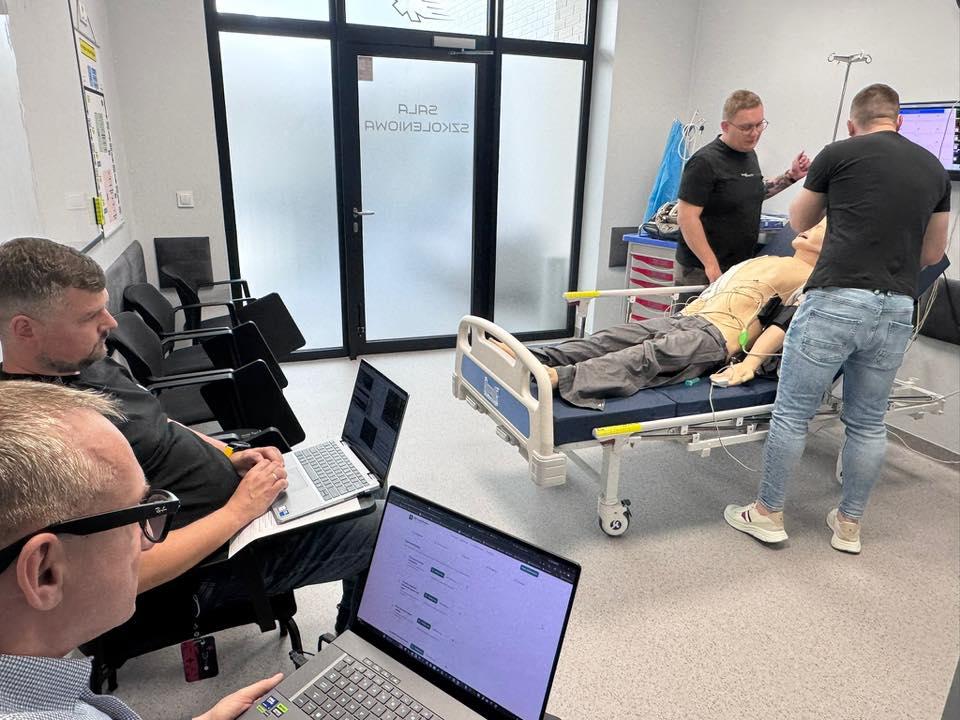
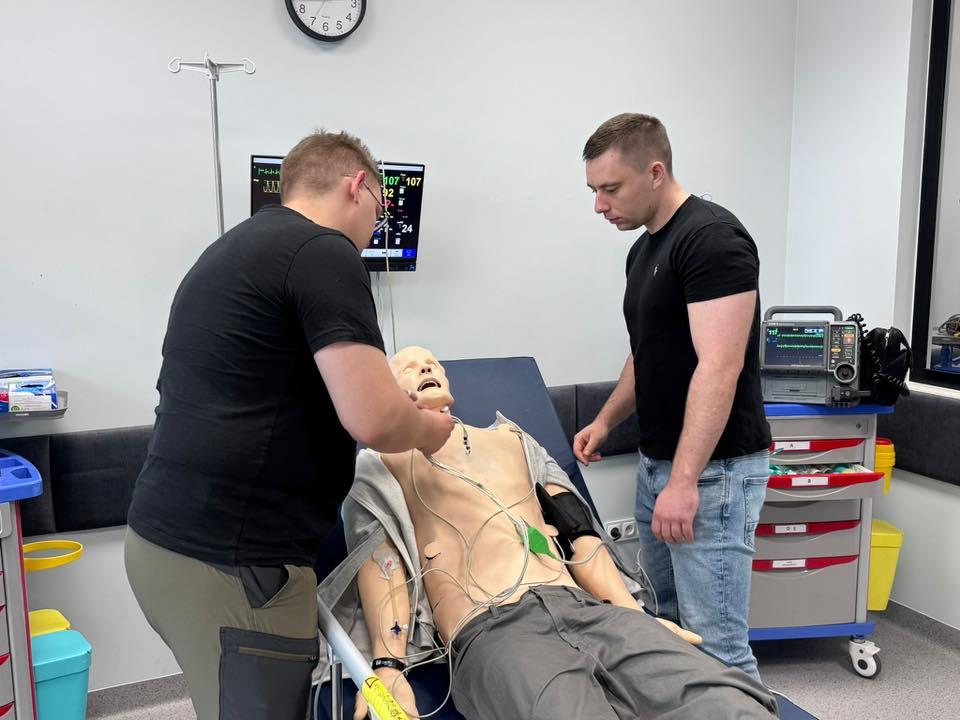
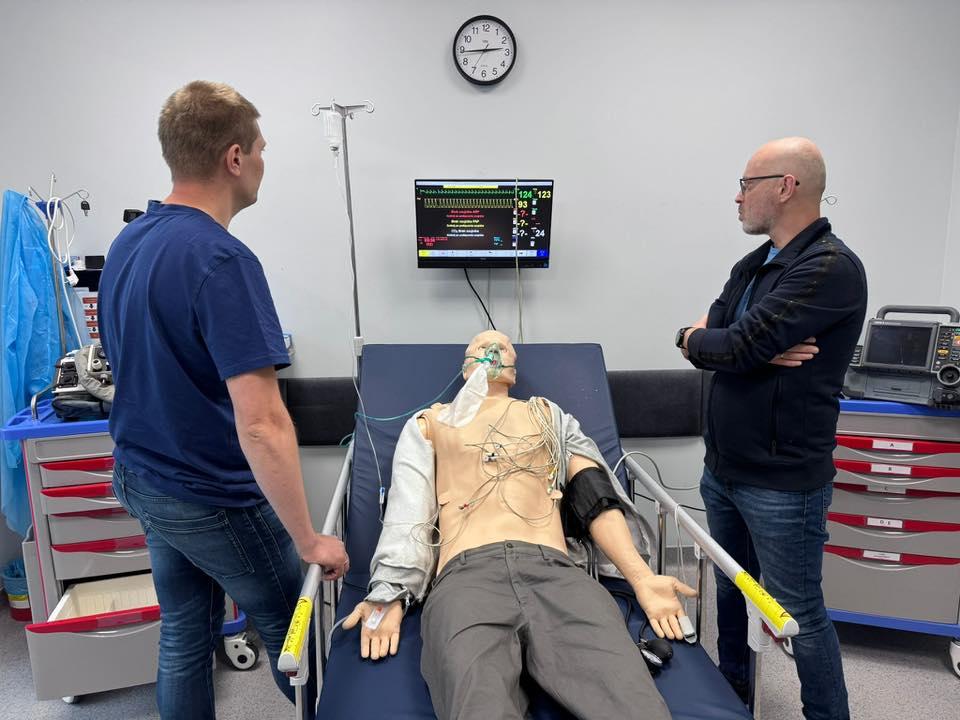
- • We don't read protocols—we observe real work under pressure
- • We measure actual time and flow, not assumptions
- • We identify operational vulnerabilities before they contribute to preventable patient risk
- • We assess the operational and clinical implications of identified delays and, where sufficient client data are available, estimate their potential financial impact
- • Reports contain specific actions, not generic recommendations
Important Clarification: Organizational Readiness Assessment, Not Individual Competency Evaluation
When we assess team readiness, we do not evaluate individual employee competencies, certify skills, or provide training. Instead, we examine whether your organization has measurable systems and mechanisms to:
- • Implement readiness verification — processes to confirm staff can execute pathway protocols under real pressure
- • Identify system-wide bottlenecks — where communication, handoff, or decision-making fails (not individual performance gaps)
- • Test and update procedures — whether your protocols are maintained, exercised, and adapted to real conditions
- • Measure escalation reliability — whether decision authority, ownership, and information flow work consistently
- • Validate technology adoption — whether new equipment or tools function as intended in actual workflow
Example: We measure whether your cardiogenic shock escalation takes 15 minutes or 45 minutes. We do not assess Dr. Chen's communication skills or Nurse Rodriguez's competency. We assess whether your system has clear decision ownership, defined handoff points, and reliable information flow.
MOST does not certify individual credentials, evaluate employees for HR decisions, provide competency training, or make promotion recommendations. We measure operational performance: does your system enable safe, consistent decision-making under pressure?
Our Operational Intelligence Methodology
Proprietary framework combining structured assessment, real-world observation, and analytical rigor.
Assessment Components
- •
Structured Operational Assessments
Systematic evaluation of workflow, protocols, and readiness
- •
In-Situ Observation
Direct assessment in your real clinical environment under working conditions
- •
Workflow Analysis
Detailed mapping of processes, handoffs, communication, and decision points
- •
KPI Measurement
Quantification of escalation delays, handoff quality, decision velocity, and readiness gaps
Analytical Framework
- •
Leadership Interviews
Strategic conversations with clinical and operational leadership
- •
Operational Mapping
Visual representation of failure points, bottlenecks, and ownership gaps
- •
Evidence-Based Recommendations
Prioritized action plans grounded in observed data, not opinions
- •
Executive Reporting
Leadership-ready documentation with quantified findings and actionable priorities
This methodology is structured, repeatable, and undergoing further validation—designed to support executive decision-making and operational transformation.
Why MOST Clinical Is Different
What We Don't Do
- → We do not evaluate or certify individual employee competencies
- → We do not offer training programs or education services
- → We do not rely on surveys, interviews, or documentation reviews alone
- → We do not provide generic recommendations
What We Do
- ✓ We evaluate how healthcare systems actually perform under operational pressure
- ✓ We identify measurable workflow failures, communication breakdowns, and escalation delays
- ✓ We map bottlenecks, ownership gaps, and operational risks with quantified impact
- ✓ We provide executive-level operational intelligence that supports leadership decisions
What Traditional Training Never Detects
Most simulation programs evaluate clinical knowledge.
MOST evaluates system performance under pressure.
We Measure
- • Escalation delays — time from recognition to action
- • Handoff information loss — what critical data disappears during transitions
- • Decision overload — where teams freeze or hesitate under pressure
- • Communication failure points — where messages don't land or get misunderstood
- • Workflow degradation — how real protocols differ from daily practice
- • Operational readiness under pressure — how teams, workflows, and escalation systems respond in time-critical situations
The Result
You receive structured findings grounded in field observation, available data, and expert analysis—not generic recommendations. Your leadership team identifies specific points where the system may break, baseline metrics for measurement planning, and critical gaps requiring follow-up validation and monitoring.
This is how you make evidence-based decisions about operational change.
Our Service Offerings
Three primary service categories, each with specialized assessment pathways tailored to your operational priorities.
Healthcare System Operational Readiness
Evaluate how patients move through critical care pathways and identify delays, communication failures, escalation gaps, and operational bottlenecks.
STEMI & Cardiogenic Shock Escalation Failure
Identifying delays in recognition, PCI activation, and critical-care transfer coordination
Stroke & LVO Workflow Failure Points
Measuring thrombectomy routing delays, imaging bottlenecks, and transfer decision velocity
Sepsis Escalation Delays
Detecting recognition gaps, vasopressor initiation delays, and ICU access friction
Trauma & Massive Hemorrhage Operations
Testing bypass activation, blood product access, and trauma team readiness under pressure
Pediatric Emergency System Stress
Assessing transfer center routing, equipment readiness, and escalation hesitation in pediatric crisis
Communication Failure Under Pressure
Detecting hierarchy hesitation, leadership clarity gaps, and escalation message breakdown
Critical Care & Interfacility Transport
Analyze transfer processes, transport readiness, handoff quality, staffing models, and escalation workflows for high-risk patients.
EMS-to-ED Handoff Failure
Measuring notification timing, receiving preparation quality, and bed assignment friction
ICU Escalation & Bed Flow Logistics
Identifying ward-to-ICU transfer delays and escalation ownership gaps
MCI & Disaster Readiness Stress-Testing
Validating surge capacity, command structure clarity, and inter-agency coordination reliability
MedTech Operational Integration
Evaluate whether hospitals and systems can successfully adopt and integrate new technologies under real clinical conditions.
MedTech Integration & Workflow Breakdown
Testing device adoption barriers, training-practice gaps, and workflow disruption under real conditions
Deliverables are standardized: KPI baseline report, Clinical pathway analysis, Escalation failure map, Staff readiness assessment, 30/90-day action plan, and Leadership debrief. Typical delivery timelines range from 4–6 weeks for focused engagements. Multi-site, regional, and implementation-support projects are scoped separately.
Diagnostic Leadership Built on Clinical Operational Expertise
Each engagement is led by professionals with extensive clinical operations, simulation, systems-improvement, and field-assessment experience. Leadership focuses exclusively on operational diagnostics and measurement—not training, not consulting theater.

Robert Trzepizur, RN, BSN, FP-C, NRP
Critical Care Transport Nurse and Flight Paramedic with 20+ years of experience in high-acuity systems. Specializes in cardiogenic shock, advanced circulatory support (Impella, IABP, ECMO), and time-critical interfacility transport.
Co-Founder of MOST Clinical Consulting Group, Robert leads operational diagnostics of clinical pathways—identifying delays, escalation failures, and system-level bottlenecks across EMS, ED, and critical care. His clinical expertise and frontline perspective translate performance into measurable, executive-level insights that drive faster decisions and better outcomes.
Dual U.S./EU citizen, fluent in English and Polish.
LinkedIn Profile
Michael Czekajlo, MD, PhD, MSc
Michael Czekajlo, MD, PhD, MSc, is a board-certified critical care physician, Fulbright Scholar, and healthcare economist with over 25 years of experience in healthcare systems, simulation science, and operational process improvement, including field assessments.
He has served as National Faculty for the U.S. Department of Veterans Affairs and is a Professor at Poznań University of Medical Sciences. A published researcher, he brings deep expertise in bridging U.S. and Polish medical education, clinical operations, and healthcare system design.
Co-Founder of MOST Clinical Consulting Group, Michael provides academic leadership, research alignment, and institutional access—ensuring that operational findings are clinically rigorous, evidence-based, and aligned with international standards.
LinkedIn Profile
Scot Phelps, JD, MPH, NRP
Scot Phelps, JD, MPH, NRP, is a nationally recognized expert in EMS systems, crisis management, public health preparedness, and high-risk operational environments. His background includes service as New Jersey State EMS Director, Assistant Commissioner of Health for Emergency Management for the City of New York, and academic roles in public health, emergency medicine, public administration, and emergency management.
His work spans healthcare systems, government agencies, emergency response organizations, and paramedicine education, with a focus on decision-making under pressure, system resilience, and operational readiness.
Co-Founder of MOST Clinical Consulting Group, Scot provides strategic advisory on risk, policy, crisis operations, and system-level failure analysis—ensuring that operational findings translate into actionable leadership decisions at the executive level.
LinkedIn ProfileCurrent Implementation
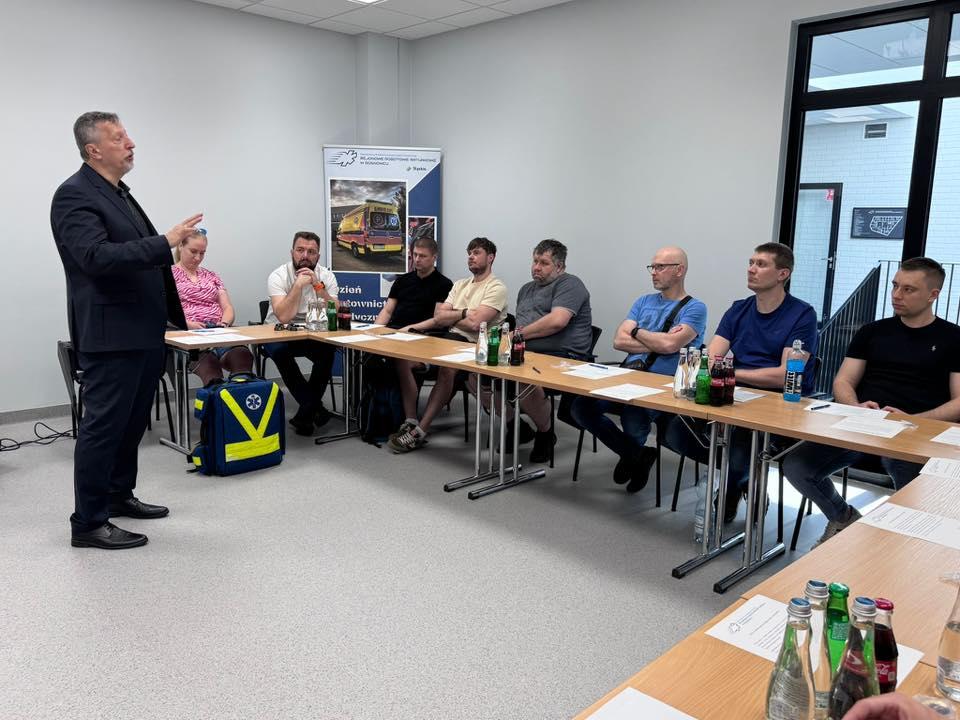
MOST completed a field pilot in a large public EMS system in Poland. The project focused on the STEMI and suspected cardiogenic shock pathway, including escalation, handoff quality, decision ownership, and operational visibility.
The public case study is intentionally anonymized and does not include the organization name, city, report date, or client-identifying details. The findings demonstrate application of MOST's diagnostic methodology to a real operational environment, with results validated through client feedback and iteration.
What this demonstrates
- • Real-world institutional deployment of operational diagnostics
- • Live operational observation in a functioning EMS environment
- • Structured data collection across critical pathway domains
- • Executive-level findings and preliminary recommendations for leadership consideration
Case Study & Published Findings
Review real operational analysis from high-risk healthcare systems. Each case study demonstrates how MOST identifies gaps in measurability, escalation, and operational readiness.
Structured Operational Diagnostics Framework
MOST uses a structured, evidence-informed approach combining in-situ observation, workflow analysis, KPI measurement, and leadership engagement to identify operational failure points in high-risk clinical pathways.
Case studies and findings coming
Additional published findings will be available soon
About MOST Published Findings
MOST publishes operational findings with explicit client authorization to demonstrate how structured diagnostic frameworks identify critical points and support executive decision-making. All published materials maintain organizational confidentiality and contain no identifying information, staff names, or facility-specific data without permission.
If you've conducted an operational assessment with MOST and would like to share findings or collaborate on published case studies, please contact us.
Who We Serve
MOST Clinical works with healthcare organizations and technology partners responsible for high-risk clinical pathways, interfacility transfer, operational readiness, and implementation performance.
EMS & Critical Care Transport Organizations
Operational diagnostics for emergency medical services, interfacility transport programs, and organizations responsible for high-acuity patient movement.
Hospitals, Emergency Departments & Critical Care Units
Assessment of high-risk pathways, escalation reliability, handoff quality, bed-flow dependencies, and coordination between clinical departments.
Regional Healthcare Authorities
Support for regional pathway design, transfer coordination, multi-site readiness assessment, and system-level operational planning.
MedTech Companies
Implementation-readiness assessment, workflow-fit analysis, identification of operational barriers, and project-specific findings supporting clinical and commercial discussions.
Universities & Clinical Partners
Collaboration on operational research, simulation-informed assessment, workforce-readiness analysis, and evidence-informed system improvement.
Frequently Asked Questions
Get answers to common questions about the MOST Clinical Pathway Diagnostic Engagement and in-situ simulation methodology.
Schedule an Executive Consultation
Tell us the pathway, transfer problem, or implementation risk you want to assess. We will review your inquiry and respond within 2 business days.
Thank you for your submission. We'll be in touch within 2 business days.
There was an error submitting your form. Please try again.
Ready to see where your pathway actually breaks?
Response time: We typically respond within 2 business days. If your situation is time-sensitive, please note that in your message.
What to expect: We'll review your inquiry, confirm fit, and schedule a 20-minute scoping call to understand your pathway, operational risks, and timeline.